My Miracle. Pineapple Tea Banished Shoulder Pain in Weeks
Hi there, if you’re reading this, maybe you’re like me – someone who’s dealt with nagging pain that just won’t quit, or perhaps you’re curious about natural ways to tackle inflammation without popping pills.
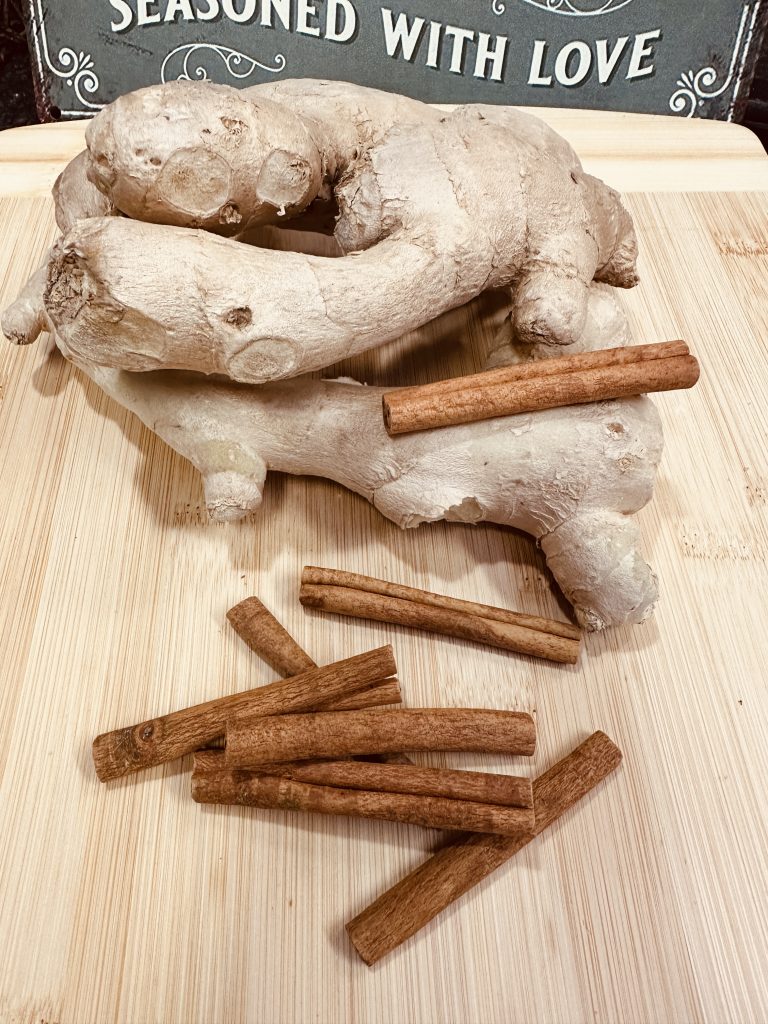
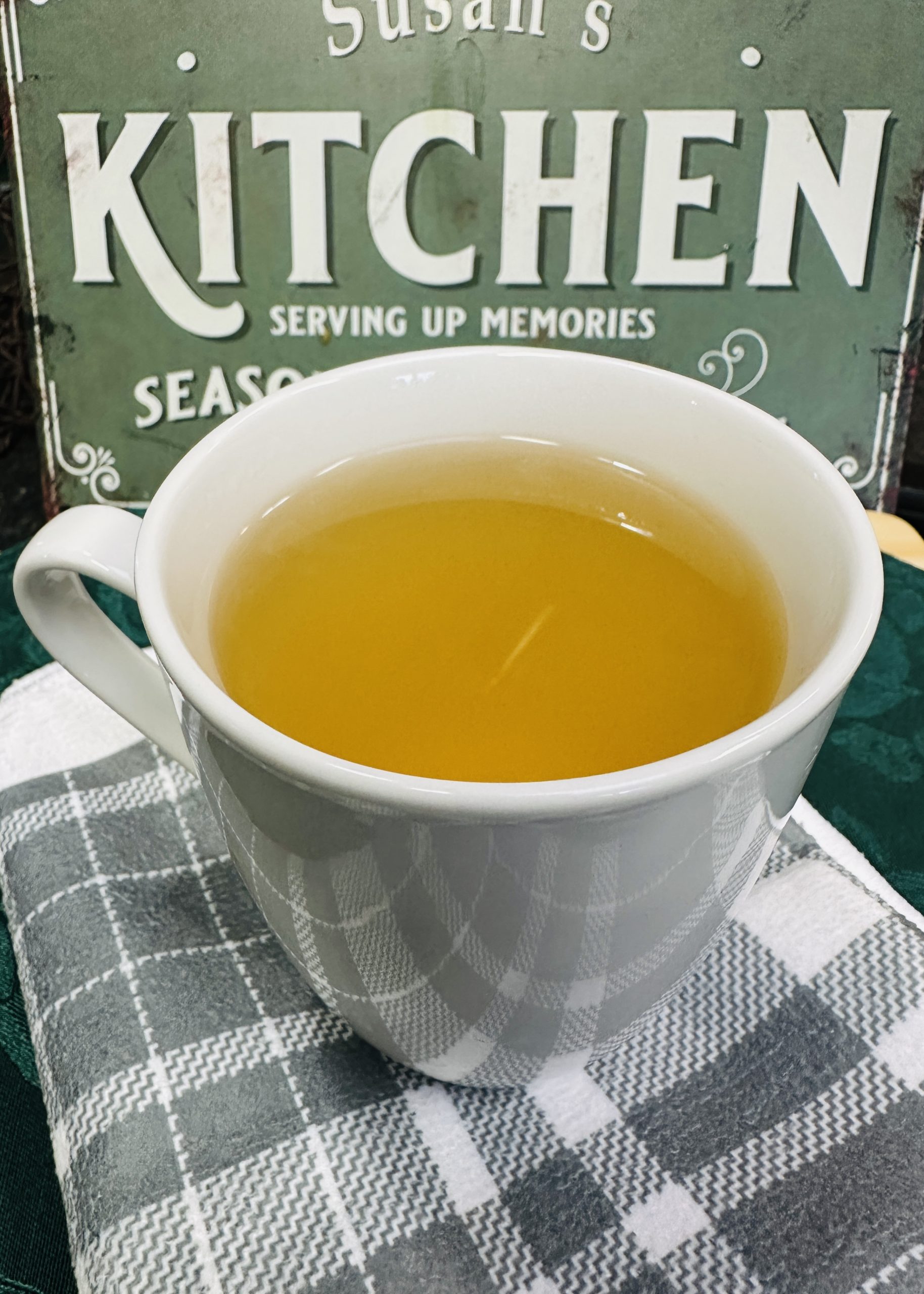
I’m writing this blog from the chilly prairies of Regina, Saskatchewan. On this crisp January afternoon, I’m sipping a warm cup of my go-to ginger and cinnamon tea while reflecting on my own health story. It’s been a wild ride, but one that’s taught me the power of simple, natural remedies. Today, I want to share my personal experience with pineapple skin tea and how it turned my debilitating shoulder pain around. I’ll weave in some science too, because I believe in backing up stories with facts.
Let me take you back to September 18, 2024. Immediately upon my husband pressing the diabetes sensor into my left arm, a jolt of pain rushed through my arm. Later that day I noticed I couldn’t lift my arm without pain.
As the days and weeks passed, I increasingly experienced “white pain”, this sharp, blinding ache that made everything else fade into the background. I couldn’t lift more than 5 pounds without wincing. Simple things like putting on a shirt or slipping into a coat? I needed help from my husband every time. And reaching overhead? Forget it.
Washing my hair became a team effort, and the only plus side to everyday chores was that I was no longer doing my usual quota and so had more free time. It was debilitating, plain and simple. As a writer, I spend hours at my desk, but even typing felt like torture. Doctors diagnosed it as severe inflammation, likely from overuse or some underlying issue. (They did not correlate it to the sensor! But I hadn’t done anything unusual to warrant such a sudden, drastic change. I had not fallen down nor lifted anything. I hadn’t slept badly to strain my left shoulder.) The pain was so intense that the technician couldn’t complete the shoulder ultrasound properly.
Cortisol Shot and Physiotherapy
I tried the conventional route first. In spring of 2025, I caved to taking a cortisol shot, which provided relief for about five months. It took three weeks before the shot took effect, but when it did, it was like a miracle at first. I could move freely at about 75%. But the pain started creeping back. I didn’t want to rely on more injections, especially with diabetes in the mix (cortisol spikes blood glucose temporarily), plus I was determined to avoid any dependence on injections. Physiotherapy offered a little help initially, but soon my range of motion regressed instead of progressing, and I stopped the sessions.
The Idea
All the while I had been praying, and after 13 months, in October 2025, something shifted inside me. I felt a quiet, unmistakable prompting from the Holy Spirit – that gentle inner voice guiding me back to the simple, wholesome foods of my childhood. The ones that nourished us without spiking insulin or causing trouble: fresh food, selective fruits, roots, and spices that our bodies recognize and love. No processed junk, just God’s provision in its natural form. Pineapple came to mind. It was something we grew in our backyard in Trinidad, and enjoyed in various treats growing up, and I felt led to explore it as a remedy. It wasn’t random; it felt like a return to basics, to foods low in glycemic impact that support healing without complicating my blood sugar.
I dove into research, scouring articles and studies online. That’s when I learned of pineapple’s potential for reducing inflammation. Pineapple skin tea? It resonated with me right away!
Pineapple, or Ananas comosus, is with packed with compounds that fight inflammation through its star player bromelain, a group of enzymes found in the fruit, stem, and yes, even the peels. Bromelain has been studied extensively for its anti-inflammatory effects. For instance, it works by reducing prostaglandin E2 (PGE-2) and cyclooxygenase-2 (COX-2) synthesis, which are key players in inflammation (https://pmc.ncbi.nlm.nih.gov/articles/PMC8534447) . Another review highlights how bromelain influences pain mediators like bradykinin, helping with analgesic and anti-inflammatory responses. (https://pmc.ncbi.nlm.nih.gov/articles/PMC538506/). In clinical trials, bromelain supplementation has reduced inflammatory markers like IL-6, TNF-α, and CRP in various conditions (.
But what about the peels specifically? Peels are rich in antioxidants, vitamin C, and other nutrients that support immune function and reduce swelling. (One source notes that pineapple peel tea harnesses these properties to ease inflammation, thanks to bromelain’s ability to break down proteins and modulate immune responses. It’s not just folklore; studies on bromelain from pineapple parts show it suppresses NF-κB pathways, curbing pro-inflammatory cytokines like IL-1β and TNF-α. https://www.medicalnewstoday.com)
I wondered if boiling the skins would extract enough bromelain and thought of adding the hard fibrous inner core to increase the quantity of bromelain extracted.
Excited by this, I set out to try it. Making pineapple skin tea is super easy and zero-waste. Perfect for someone like me who hates throwing away good stuff.
Pineapple Tea. Here’s my simple recipe
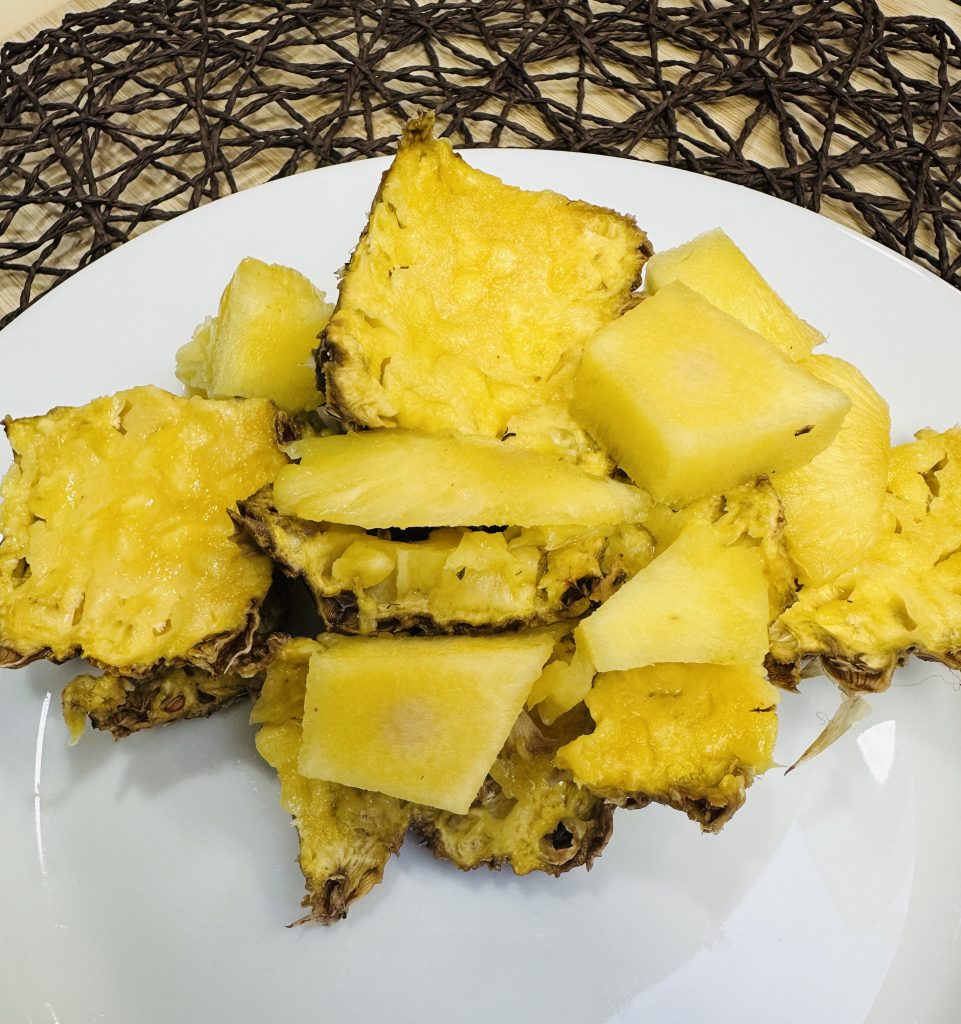
- Wash a whole pineapple thoroughly (buy organic if possible to avoid pesticides. I buy regular pineapple as I can’t find organic and use baking soda to wash it.)
- Cut off the top and bottom, then slice off the skin in strips, keeping some flesh attached for extra goodness. Slice off the flesh to obtain the core and cut it into small pieces.
- Boil the peels and core with a stick of cinnamon or a teaspoon of ground cinnamon in about 6 cups of water for 20-30 minutes on medium heat.
- Let it steep for about 10 minutes.
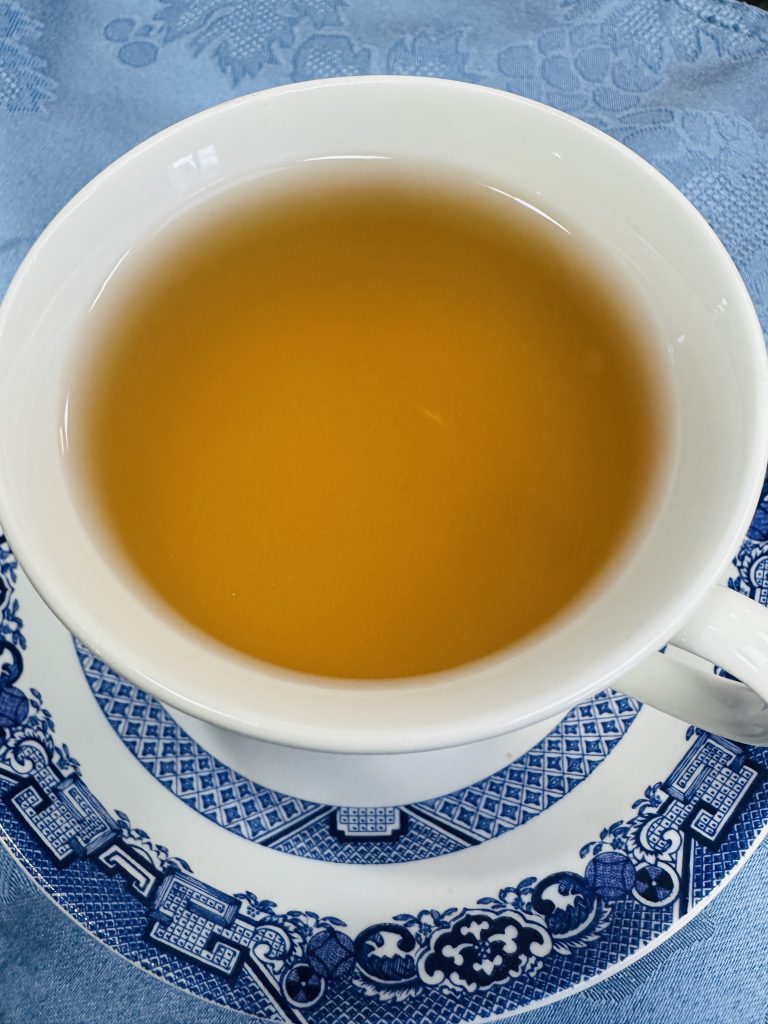
- Strain and enjoy. I started with a cup twice a day.
Note: Bromelain slows down blood clotting so be sure to consult your doctor if you use certain meds.
Optional – Add a bit of sugar or honey to taste if you don’t have diabetes. I find it’s naturally sweet enough from the pineapple residue so I skip adding anything.
The Results? Mind-blowing
After just two times drinking it the same day, I felt noticeable relief. The sharp pain dulled, and I could lift my arm a bit higher without that white-hot stab. Within a week, I’d say I saw about 75% improvement. I could wash my hair solo again. Let me emphasize that small wins feel huge!
Science backs this quick action: Bromelain’s proteolytic activity helps reduce swelling and inflammation rapidly, as seen in studies on postoperative recovery and injuries. It inhibits iNOS and COX-2, attenuating IL-6 and TNF-α production via NF-κB and MAPK pathways. In one systematic review, bromelain reduced inflammatory parameters in most trials, with doses from 200-1050 mg showing effects.
Lifting a Happy Cat
I drank the tea three times a week for only TWO weeks. By then, my shoulder was at about 90%. I could even hold my 15-pound cat without help on the same left arm that was defunct a couple weeks before. Vega was thrilled to snuggle closer, purring away like nobody’s business.
I no longer had to rely on others for basic tasks. I felt empowered.
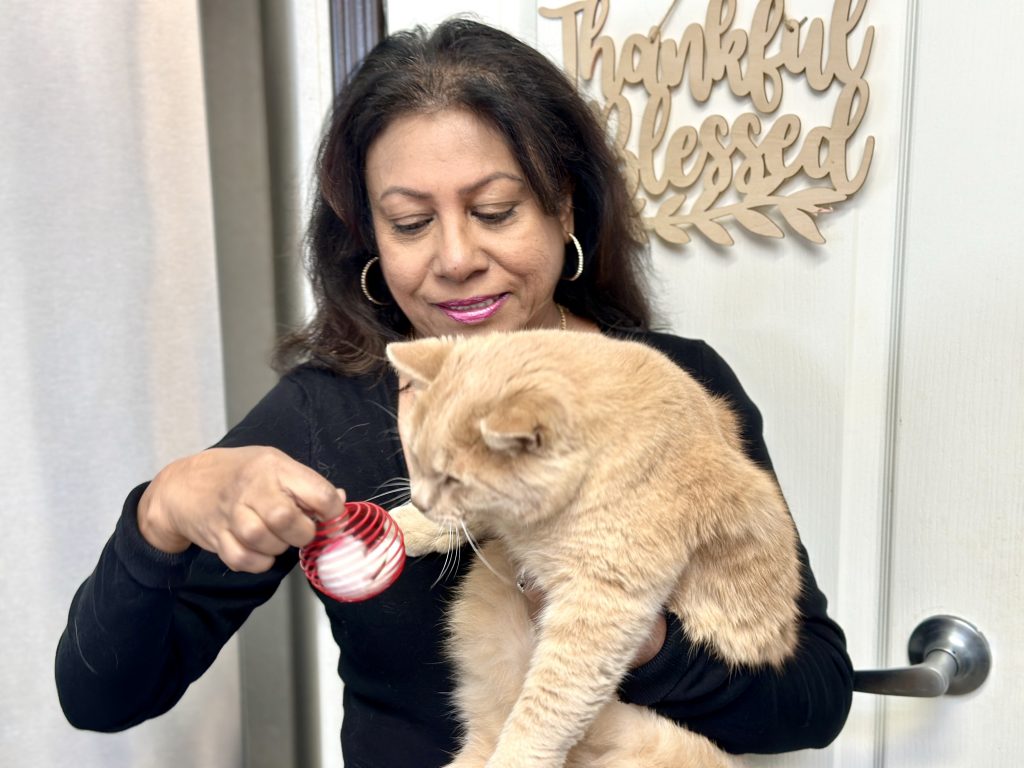
And get this: I never turned to another cortisol shot after that first one. No meds either. Just natural stuff. But I didn’t stop there. To maintain the gains, I switched to a daily homemade tea of ginger and cinnamon. Why? Because these spices are inflammation fighters too, and they pair perfectly with diabetes management. Ginger and cinnamon keeps insulin in check! As well, ginger and cinnamon are cheap, available everywhere, and easy to use.
Ginger, or Zingiber officinale, has been used for ages in traditional medicine for pain and inflammation. Its compounds like gingerols and shogaols inhibit COX-1 and COX-2, blocking leukotriene synthesis and reducing cytokines like TNF-α and IL-6. In athlete studies, ginger reduced muscle soreness significantly (https://pmc.ncbi.nlm.nih.gov/articles/PMC3665015/). It modulates NF-κB and MAPK pathways, suppressing pro-inflammatory markers. Cinnamon, from Cinnamomum cassia or zeylanicum, is loaded with polyphenols that have anti-inflammatory effects. It lowers CRP and other markers, helping with conditions like arthritis. Combined, ginger and cinnamon show synergistic effects, reducing IL-6 and pain in trials. In diabetic rats, they alleviated hippocampal inflammation and oxidative stress.
Ginger & Cinnamon Tea – My maintenance brew
The recipe is straightforward:
- Grate fresh ginger (about a thumb-sized piece. I use 20g to make it stronger.)
- Put it in 2 cups water and add a cinnamon stick or 1 teaspoon of ground cinnamon and bring to a boil.
- Steep for 10-15 minutes, strain, and enjoy.
Optional – Add honey or sugar if you don’t have diabetes.
Please consult your doctor before using ginger or cinnamon.
It’s warming, especially in Saskatchewan winters, and keeps my shoulder flexible.
Studies confirm this combo curbs inflammation through antioxidant mechanisms, like activating Nrf2 pathways. In PCOS research, they mitigate oxidative stress and hormonal issues via anti-inflammatory actions. For MS patients, cinnamon reduced IL-6 and hs-CRP, easing pain.
Looking back, this journey from pain to freedom has been transformative. It’s not just about the shoulder–it’s about reclaiming control over my health naturally. If you’re dealing with inflammation, whether from injury, arthritis, or something else, give pineapple skin tea a shot. Start slow, consult your doc (especially with conditions like diabetes), and listen to your body.
The science is there: Bromelain from pineapple peels fights inflammation by downregulating NF-κB and cytokines. Ginger and cinnamon amplify that with their own potent effects.
I’m no expert, just a writer sharing her story of her miracle in reducing inflammation while keeping insulin in check. But if this inspires even one person to try natural remedies, it’s worth it. Drop a comment below – have you tried pineapple tea? What’s your go-to for pain? Let’s chat. Stay well!
My Social Media Links
Please follow my social media account, like and subscribe at :
YouTube – https://www.youtube.com/@susaneternityharris4450
Facebook – https://www.facebook.com/SusanHarris20/
X – https://x.com/SusanHarris20
IG – https://www.instagram.com/pennysusan99/